
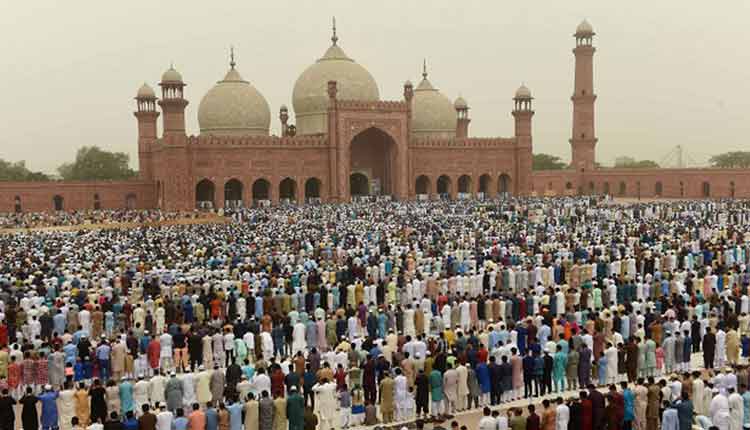

The call for Muslim unity has echoed throughout modern history, from Jamaluddin Afghani’s Pan-Islamisation (1838-1897) to the current movements of Caliphate revival. The central idea remains the same: the desire for global Muslim unity to restore their lost status.
This aspiraion is commendable in itself. Who could oppose the unity of Muslims and their global influence? Yet, from the nineteenth century to the present, this dream remains unfulfilled. From the banks of the Nile to lands of Kashgar, Muslims are divided across numerous states with varied political, cultural, social, and sectarian differences.
In contrast, the modern world has witnessed Europe, which was divided into many states, plagued by intense wars and rivalries for thousands of years, gradually & successfully moving towards one unit as the European Union.
Despite preachers like Jamaluddin Afghani, thinkers and poets like Allama Iqbal, mentors like Hasan Al-Banna, authors like Maulana Maududi, disciplined organizations like the Muslim Brotherhood and Jamaat-e-Islami, multiple movements of Caliphate revival, significant wealth of the Arabs, and the continuous desire of the Muslims, is this grand dream remains unrealized, there must surely be a reason for this.
The primary reason, in our view, is the backwards training among Muslims that instead of fostering unity, further keeps fragmenting the little unity that remains. This backwards training is that of clinging to prejudices and intolerance for differing opinions. Our tragedy is that any big leaders and prominent figure that rises, initially advocate for unity, yet soon, their personalities, parties, sects, or groups become the primary objective and are considered infallible such that dissent becomes unacceptable.
Once you start following a personality, disagreement becomes a crime, making collective work impossible. Joining a group often means suppressing individuality with the mission to transform you into a mental slave. Resistance will cause you to be thrown out of the group. Sectarian birthright enforces conformity, and even slight disagreements can lead to accusations of irreligion and misguidance.
This behavior hinders intelligent and talented individuals from associating with any group, and then the lack of resources stifles the utilization of their talents. Those who remain may have resources but lack talent. Obviously, untalented people cannot accomplish great feats. They can, however, turn religious work into mere commerce.
If a talented individual attempts to establish their identity, they face severe propaganda. As a result, toxic prejudice further divides society. If immensely talented, a person may succeed in creating their own identity over time, but then intolerance of differing opinions infects this new group, perpetuating the same cycle yet again.
An even bigger issue is that these attitudes have deepened in Muslims over time. For instance, Jamaluddin Afghani and Allama Iqbal, though immensely talented, were not faced with this severity of the issue during their eras. Today, if alive, Jamaluddin Afghani might have been labeled a Shia agent. Although Allama Iqbal faced accusations of infidelity in his lifetime, today’s intense propaganda would have labeled him ‘Infidel and Misguided Iqbal’ making his poetry off limits. Maulana Maududi, though labeled an “American Agent” and a “Seditious” in his lifetime, would probably have been assassinated in a suicide attack in today’s climate.
The solution lies in discouraging prejudiced mindsets and intolerance for difference of opinions among Muslims. We must accept that thinking and talented minds are capable of, and will continue dissent. We will have to accept the fact that prejudice is a poison, consuming the very mind that carries it. Moreover it is destructive for the entire nation. It is the greatest obstacle to Muslim unity. In its presence, the dream of Muslim unity can never be realized
To achieve unity, we must tolerate differing opinions. To unite the ummah, we must uproot prejudice. Without these changes, no amount of rhetoric will bring meaningful change to our practical lives.
Translated by Ali Zafar